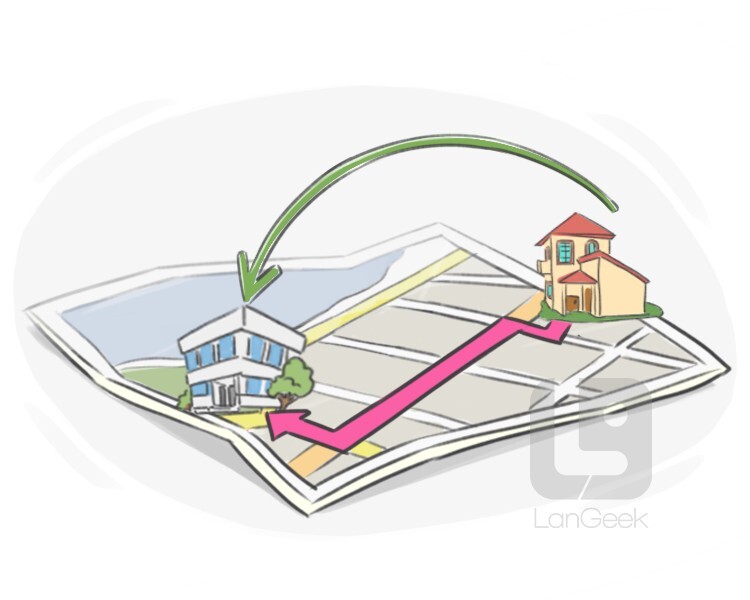
To divide something such as payment between two or more people, or organisations.
Example: The fact that the government had to rely on the townsmen themselves to APPORTION and gather the levies was therefore an additional burden rather than a basis for establishing municipal independence.
fr: Répartir
Balancing Act
noun
A situation in which a person tries to be careful to two or more activities at the same time.
Example: Marx's and Engels's position is always something of a BALANCING ACT between idealism and crude or "vulgar" materialism and this is nowhere better illustrated than in The German Ideology and the Theses on Feuerbach .
fr: Loi d'équilibrage
Census
noun
An official periodic count of a population including informations such as sew, age, occupation, etc.
Example: A traffic Census.
fr: Recensement
Household
noun
The people living together in the same house.
Example: The whole household was asleep.
fr: La famille
K-12
noun
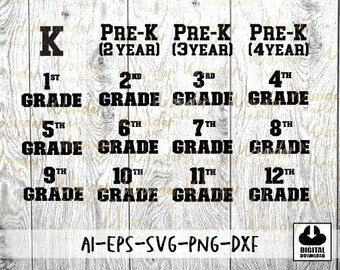
Kindergarten to twelfth grade: education for children.
Example: In recent years, the local school system closed 5 of 7 special education schools, its own K-12 school enrollment declined, and rumors it too would soon close.
fr: De la maternelle à la douzième année
Knowledgeable
adjective
Knowing a lot about one particular subjects or about many different subjects.
Example: She is very knowledgeable about livestock and pedigrees.
fr: Bien informé
Outcome
noun
A final product, end result, consequence or issue.
Example: It is the outcome of the votes that counts.
fr: Résultat
Shift
Verb
To change or transfer from one place, position or direction.
Example: A shift in public opinions.
fr: Transférer
Welfare
noun
Health, prosperity, well being.
Example: The doctor cares about his patients's welfare.